Build internal systems
Replace spreadsheets and manual work with a system built for your team
Narima builds custom web and mobile apps that take over the work your team now does in spreadsheets, chat groups and copy-paste. Most internal systems go live in 3 to 6 months and cost $15,000 to $60,000, depending on scope.
Operations, finance or project teams of 10 or more people who use three or more tools to run one process.
Illustration: a land spreadsheet, a site team chat, a purchase order email, a sticky note and a site photo rearrange into one screen tracking land, permits, construction and procurement for Block D.
Check your team
Signs you've outgrown spreadsheets
Tick the ones that sound like your office.
How it changes · REM real estate platform
From four separate files to one platform
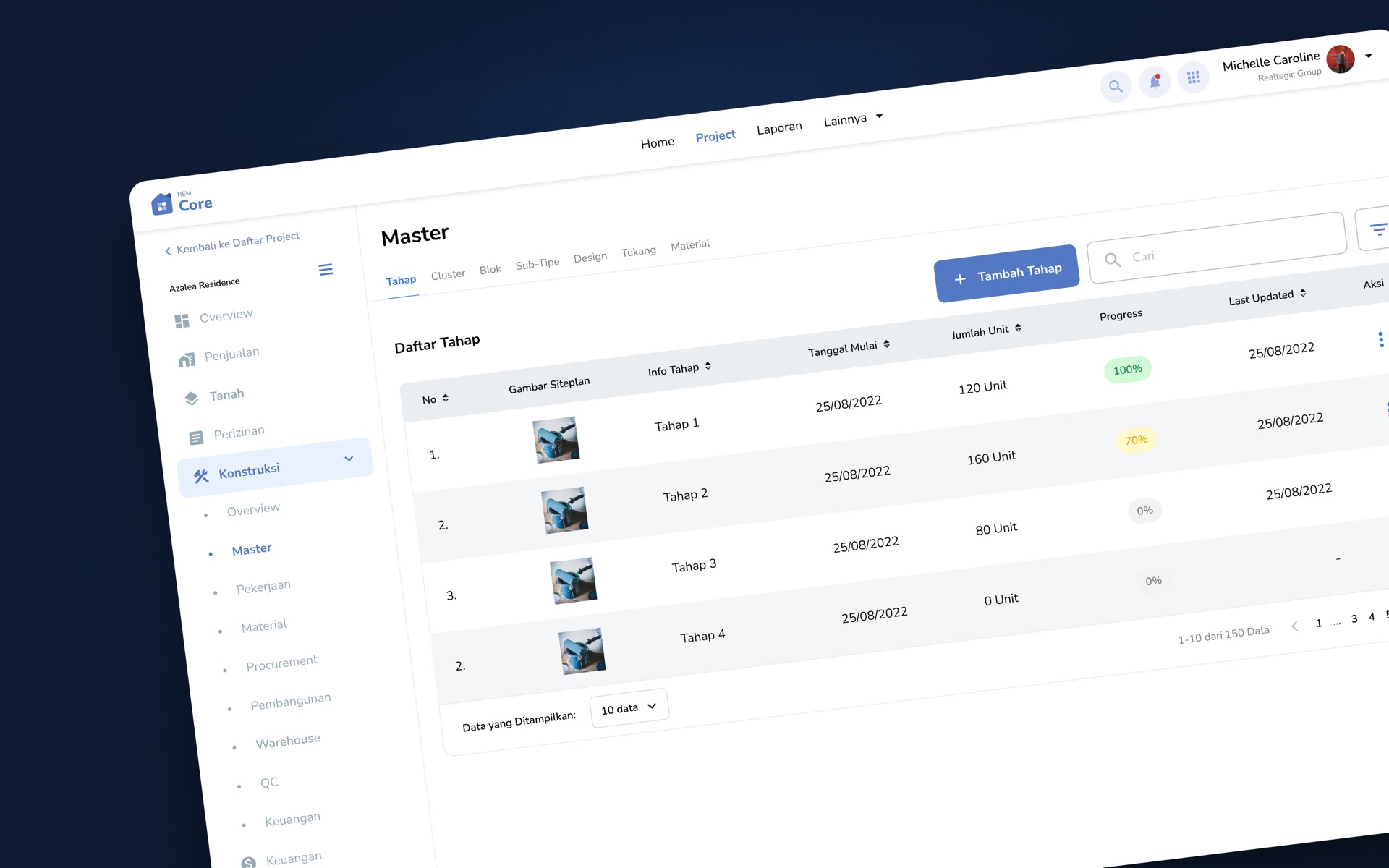
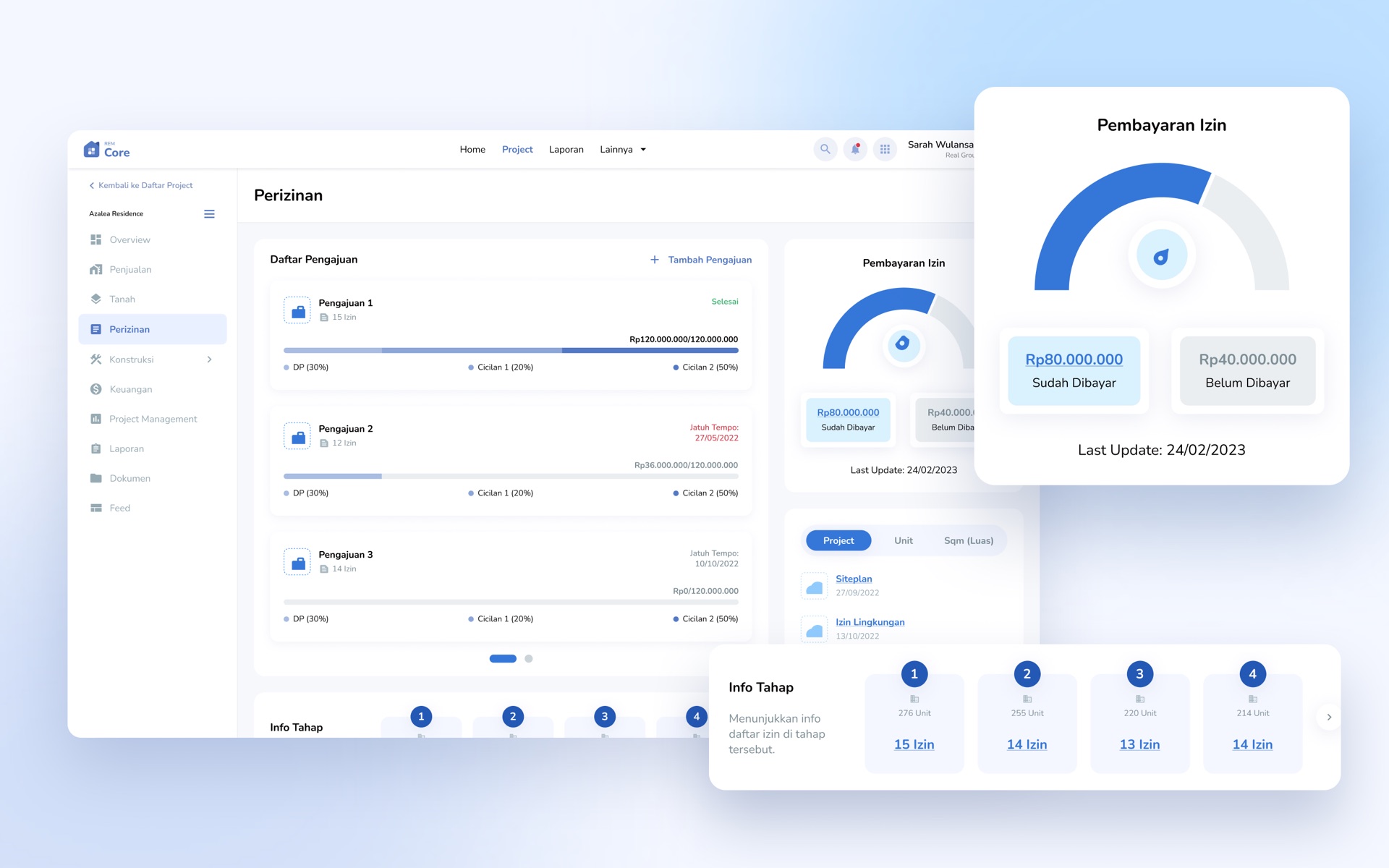
Land acquisition, legal permits, construction and procurement were tracked manually across separate files, so status meetings were spent reconciling them.
Every project stage sits in one platform with real-time status and structured approvals.
What we typically build
Systems shaped around how your team already works
Every system starts from your process. These are the ones we build most often.
Approval workflows
Who approved what, and when, in one place.
Document and contract tracking
Versions, deadlines and owners for every file.
Field data collection
Photos, forms and locations straight from site.
Client portals
Your clients check status without calling you.
Inventory or service tracking
Stock, assets and service jobs, always current.
How a project runs
Five phases, from process map to support
- 01 · 1–2 weeks
Discovery
Process map and success measures.
- 02 · 2–4 weeks
Prototype
A clickable version your team tests.
- 03 · 6–16 weeks
Build
Working software demoed every two weeks.
- 04 · go-live
Launch and training
Data moved over, team trained.
- 05 · ongoing
Support
Fixes, improvements and new features as you grow.
What it costs
What an internal system costs, and why
What moves the price
Always included: discovery, design, testing, deployment and team training. Warranty, support, hosting and payment terms are set out in your written proposal.
Before we design a single screen, we sit with the person who maintains the spreadsheet. Their workarounds tell us exactly what the system must do.
Projects like this
Internal systems we've built
REM brought land, permits, construction and procurement into one platform
Managing development across four stages was manual and prone to delays.
Trident Treehouse replaced manual document handling with a secure client portal
Documents, real-time tracking and client messages in one place.
Questions
Before you replace the spreadsheet
Will my team actually use it?
Can it work with our accounting software?
What if we need changes after launch?
Who owns the system?
How do we start?
Next step
Start where you are
Still exploring?
Download the spreadsheet-to-system readiness checklist.
Want a written view?
Describe your process in the form. Within two business days you get a free written assessment by email.